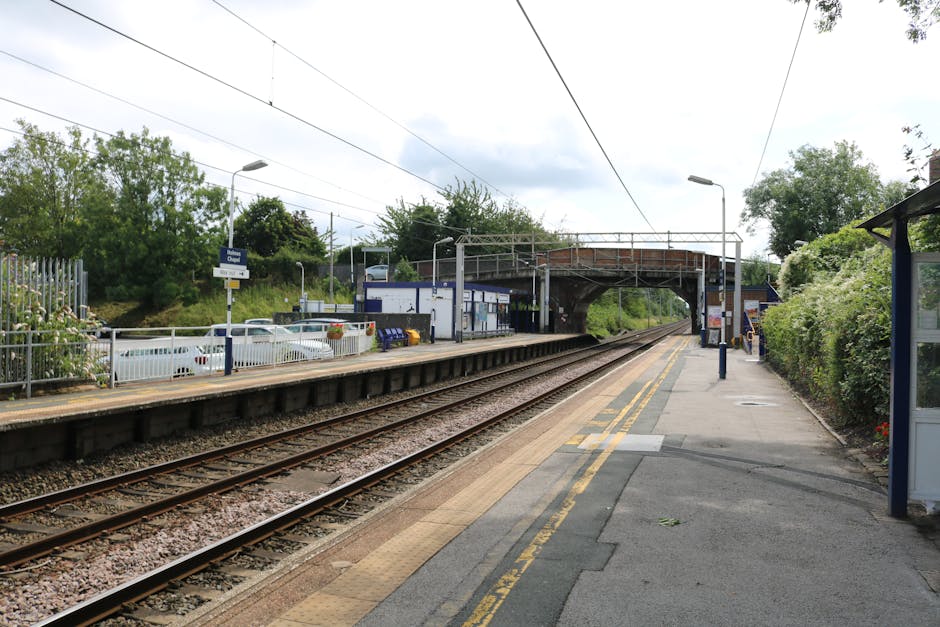
Purley Oaks Station gardening services for flats: a practical guide for residents, landlords and block managers
Flat living near Purley Oaks Station has plenty going for it, but outdoor space can be tricky. Shared entrances need to look tidy, planter beds get neglected, bike routes get cluttered, and nobody wants to be the person who keeps "meaning to sort the courtyard" for another three months. That is exactly where Purley Oaks Station gardening services for flats come in. They are not just about mowing grass. They are about keeping communal spaces safe, presentable, and easy to maintain without turning everyday life into a full-time garden project.
Whether you manage a small converted house with a shared front garden, a purpose-built block with narrow access, or a mixed-use property with a modest rear court, the right service can make a real difference. In this guide, we will look at how flat-focused garden maintenance works, what good service looks like, how to avoid expensive mistakes, and which jobs usually need professional help rather than a quick weekend tidy-up.
For a wider view of the full range of support available, you can also explore the services overview and see how related work such as garden maintenance, lawn mowing, and hedge trimming fit together in a shared-space setting.
Table of Contents
- Why Purley Oaks Station gardening services for flats Matters
- How Purley Oaks Station gardening services for flats Works
- Key Benefits and Practical Advantages
- Who This Is For and When It Makes Sense
- Step-by-Step Guidance
- Expert Tips for Better Results
- Common Mistakes to Avoid
- Tools, Resources and Recommendations
- Law, Compliance, Standards, or Best Practice
- Options, Methods, or Comparison Table
- Case Study or Real-World Example
- Practical Checklist
- Conclusion
- Frequently Asked Questions
Why Purley Oaks Station gardening services for flats Matters
Flats are different from houses in one important way: the outdoor space usually serves more than one person. That sounds obvious, but it changes everything. A shared garden, courtyard, frontage, or communal strip is used constantly, often by people with different standards, routines, and expectations. If no one takes responsibility, the area slips quickly. Leaves collect near drains. Hedges grow across paths. Weeds appear in paving cracks. And once it starts looking tired, it can make the whole property feel less cared for.
In the Purley Oaks Station area, where properties can range from compact conversions to apartment blocks and managed developments, the need for tidy, consistent upkeep is often underestimated. A garden service for flats is not a luxury add-on. It is part of keeping the building pleasant to live in and practical to manage.
There is also a neighbourly side to it. Shared spaces are visible spaces. People notice them on the way in with shopping, when taking bins out, or in those little morning moments before the day gets going. A neat, well-maintained garden can make the entrance feel calmer and more welcoming. To be fair, that mood matters more than many people think.
Expert summary: For flats, garden care works best when it is planned, regular, and simple. The aim is not to create a show garden. The aim is to keep communal outdoor space safe, tidy, and low-stress for everyone who uses it.
If your property also needs structural outdoor improvements, it may be worth considering landscaping or even more targeted upgrades through landscape gardening. For overgrown or neglected communal grounds, garden clearance can reset the space before routine maintenance begins.
How Purley Oaks Station gardening services for flats Works
Flat gardening services usually begin with a site review. That does not need to be complicated. A good provider will look at what exists, how the space is used, what access is like, and what the main priorities are. For example, a block with a narrow side passage may need lighter equipment. A small courtyard may need regular weed control and rubbish removal more than anything else. A longer shared frontage might need a cleaner mowing and edging routine.
From there, the work is normally set out as a maintenance plan. Some properties need weekly or fortnightly visits in spring and summer, then lighter attention in the colder months. Others are fine with less frequent service, as long as the essentials are handled properly. The key is consistency. Random visits tend to produce random results. And random results are never ideal in communal spaces.
Typical tasks may include:
- lawn mowing and edging
- hedge trimming and light pruning
- weed removal from beds, borders and paving
- leaf clearance and seasonal tidy-ups
- green waste collection and responsible disposal
- planting refreshes for entrances or courtyard beds
- basic tidy work around paths, railings, and bin-store areas
In some cases, you may also need work connected to trees, especially if branches are shading windows, overhanging walkways, or dropping debris into shared access routes. That is where a service such as tree lopping and removal may become relevant, although it should always be assessed carefully and handled by someone competent. Not every tall branch needs drastic action. Sometimes it just needs sensible pruning.
One practical point people overlook: access. Flats often involve stairs, internal courtyards, limited parking, or timed entry arrangements. A service that understands these realities will usually work more efficiently and with less disruption. That matters more than fancy equipment, honestly.
Key Benefits and Practical Advantages
There is a clear visual benefit to keeping flat gardens in shape, but the practical advantages go deeper than appearance.
1. Better presentation for residents and visitors
A neat communal garden makes the whole building feel more settled. Even a small strip of planting can lift the entrance area if it is trimmed, edged, and kept clear of weeds.
2. Lower risk of trip hazards and clutter
Overgrown plants, uneven paths, wet leaves, and scattered debris can create avoidable hazards. Regular maintenance keeps walkways easier to use, especially for older residents, delivery drivers, and anyone carrying bags or a buggy.
3. Less conflict between neighbours
Shared spaces can cause friction when nobody knows who is doing what. A proper service brings structure. That means fewer awkward conversations about "who was meant to deal with the back area?"
4. Healthier planting and better long-term value
Plants, hedges, and lawns tend to do better with routine care. They look better, last longer, and cost less to rescue later on. Neglect is usually the expensive option, even if it looks cheaper at first.
5. Easier budgeting and planning
With a regular schedule, it becomes easier to plan seasonal work and avoid surprise overgrowth. Many flats benefit from a predictable maintenance rhythm rather than emergency callouts.
For blocks that want a fuller visual refresh, it can also make sense to pair maintenance with defined hard landscaping elements such as decking services. A simple decked sitting area or transition space can improve how a courtyard is used, provided it is planned sensibly and maintained properly.
Who This Is For and When It Makes Sense
Purley Oaks Station gardening services for flats suit a wide mix of people. The common thread is shared responsibility. If more than one household uses the space, the chances are you will benefit from professional help sooner rather than later.
- Residents in converted houses who share a front garden or rear patio and want it kept tidy without arguments.
- Leaseholders who need a reliable service for communal grounds and want to protect the look of the property.
- Landlords who want the building to feel maintained between tenancies and inspections.
- Managing agents and block managers who need a straightforward contractor for regular upkeep.
- Housing associations or resident committees looking for practical support with recurring outdoor tasks.
It makes sense to bring in help when the space starts to feel harder to manage than it should. A few signs usually point the way:
- the same jobs keep getting delayed
- weeds are spreading faster than anyone can control
- residents disagree about responsibility
- the area looks messy shortly after someone tidies it
- there are access issues, safety concerns, or awkwardly large plants
If that sounds familiar, you are not alone. Shared gardens have a way of turning into "someone will do it" spaces. And then, well, nobody does.
Step-by-Step Guidance
Here is a simple way to approach flat gardening properly, without overcomplicating it.
- Assess the space honestly. Walk through the communal area and note what actually needs doing. Separate essential work from nice-to-have work.
- Identify access and usage patterns. Think about when residents enter and leave, where bins are stored, whether there is a locked gate, and whether machinery can get in safely.
- Set the frequency. Some spaces need weekly attention in peak growing months. Others only need periodic maintenance plus seasonal resets.
- Agree on scope. Make sure everyone understands whether the work includes mowing, hedge trimming, leaf clearance, planting, and waste removal.
- Plan around residents. Communal spaces are used by real people. Scheduling around school runs, deliveries, and quieter periods saves a lot of irritation.
- Review after the first visit. A good contractor will welcome feedback. You should be able to tell whether the plan is actually working.
That last step matters. The first session often shows what the space really needs. Maybe the lawn is fine, but the edges are rough. Maybe the border is the issue. Maybe the main problem is simply volume of leaf fall. Good maintenance is often more about learning the site than forcing it into a fixed template.
If the property has become heavily cluttered or neglected, a reset may be necessary before ongoing maintenance starts. In those situations, it can be useful to combine the first visit with garden clearance and then move into a steadier garden maintenance schedule.
Expert Tips for Better Results
There are a few small things that make a surprisingly big difference in shared residential gardens.
- Keep the plan simple. A concise scope beats an overgrown wishlist. Everyone knows what is being done, and nothing falls through the cracks.
- Use seasonal priorities. Spring and summer are for growth control. Autumn is about leaf management and drainage awareness. Winter is usually lighter, but not empty.
- Think in zones. Entrance area, rear court, side passage, boundary planting, bin store. Each area may need a different rhythm.
- Do not let pruning drift into neglect. A hedge that is trimmed little and often is far easier to live with than one hacked back once a year.
- Choose low-fuss planting where possible. For flats, robust, tidy planting generally works better than high-maintenance beds that need constant fussing over.
- Ask about waste handling. Green waste should be cleared properly. A lovely tidy garden can look untidy again very quickly if bags of cuttings are left behind.
One small but useful habit: keep a simple photo record before and after work. It is not about being dramatic. It is just a plain, practical way to see what has improved and what still needs attention. Very unglamorous, yes, but helpful.
For more complex properties, combining ongoing care with occasional improvement work can be a smart move. Sometimes a courtyard benefits from small structural changes, border reshaping, or better layout decisions through landscaping. If the goal is a cleaner, more usable shared space rather than just maintenance, that broader view can pay off.
Common Mistakes to Avoid
Most problems with flat garden care are not dramatic. They are usually small mistakes repeated over time. That is what makes them annoying.
- Waiting until the space looks bad. By then the job is harder, more expensive, and more disruptive.
- Assuming someone else is responsible. In flats, responsibility can become fuzzy very quickly unless it is written down and agreed.
- Overcutting hedges or shrubs. Heavy cutting can damage plant shape and leave the space looking bare for longer than expected.
- Ignoring access constraints. If equipment cannot get through the gate or down the side path, the job will be slower and messier than it should be.
- Mixing maintenance with one-off tidy-ups only. That usually creates a cycle of messy, tidy, messy, tidy. It is exhausting to manage.
- Forgetting drainage and fallen leaves. A courtyard can look clean but still cause problems if leaves and debris block water flow.
Another common issue is choosing the cheapest quote without checking what is actually included. The lowest price can look clever right up until you realise waste removal, edging, or hedge work was not part of it. Then the "cheap" option is not cheap at all. Funny how that happens.
Tools, Resources and Recommendations
You do not need a warehouse of equipment to keep a flat garden in good order, but the right tools matter. For professional work, the essentials usually include compact mowers, strimmers, hedge trimmers, hand tools for detailing, leaf collection equipment, and proper waste sacks or transport arrangements.
For residents or committees trying to keep an eye on the work, the most useful resources are often very simple:
- a shared maintenance calendar
- a short list of agreed responsibilities
- photos of the site before major work
- a note of seasonal tasks, like leaf clearance or hedge trimming
- contact details for the person who approves access or scheduling
If your block is comparing providers, it also helps to look beyond the visible tidy-up and ask practical questions about safety, insurance, payment terms, and communication. The pages on insurance and safety, payment and security, and pricing and quotes are useful touchpoints for understanding how a reliable service should be run.
And if your site produces a lot of green waste or you are trying to keep your footprint smaller, it is worth paying attention to recycling and sustainability. In practice, that usually means sensible waste handling, reusing material where appropriate, and avoiding unnecessary disposal. Nothing flashy. Just sensible.
Law, Compliance, Standards, or Best Practice
For flats, the main compliance concerns are usually practical rather than dramatic. You are not likely to need specialist legal knowledge for basic mowing or trimming, but you do need to think carefully about safety, access, waste, and responsibility.
Here are the areas that matter most:
- Health and safety: Tools, ladders, blades, trip hazards, and working near residents all need sensible controls. A professional approach should be cautious, not rushed.
- Insurance: Any contractor working around communal property should be properly insured. That protects both the building and the people using it.
- Access and cooperation: Shared spaces often need keys, timed entry, or resident notice. Good communication avoids disputes.
- Waste handling: Garden waste should be collected and disposed of responsibly. Leaving cuttings in a communal area is not acceptable.
- Plant and tree work: Major work should be assessed properly. If something is large, awkward, or close to structures, it should not be treated as a quick DIY job.
Best practice also means respecting residents. For example, cutting noisy machinery early on a Sunday is not a great look. Nor is blocking entrances without warning. The best flat-garden service keeps disruption down and standards up. Simple, really.
If you want to understand the provider's approach in more detail, it is worth reading the pages on health and safety policy and complaints procedure. Those details can tell you a lot about how seriously a company takes residential work.
Options, Methods, or Comparison Table
Different flat properties need different approaches. Here is a simple comparison that may help you decide what level of service fits your site best.
| Approach | Best for | Strengths | Limitations |
|---|---|---|---|
| Ad hoc tidy-up | Very small sites or temporary fixes | Quick to arrange, useful after a period of neglect | Can lead to uneven standards and recurring overgrowth |
| Regular maintenance | Most flats, conversions, and communal gardens | Predictable, tidy, easier to budget for | Needs a clear schedule and consistent access |
| Maintenance plus periodic clearance | Sites with seasonal buildup or initial neglect | Good for resetting the space, then keeping it under control | Requires a bigger first step and more planning |
| Maintenance plus landscaping improvements | Properties that need better layout or visual upgrade | Can improve use, appearance, and long-term practicality | More expensive and usually slower to implement |
In many cases, the best answer is a blended one: start with a proper clearance if needed, then move into regular upkeep, and only add landscaping where it genuinely improves the space. Not everything needs a grand redesign. Sometimes a cleaner path and a well-kept border are enough to change the feel completely.
Case Study or Real-World Example
Imagine a small block of flats near Purley Oaks Station with a shared front patch, a narrow side area, and a rear courtyard used for bins and occasional sitting-out space. The garden is not huge, but it is constantly seen. Residents are annoyed because weeds keep coming back, one hedge has become leggy, and leaves gather near the entrance after windy weather. Nothing catastrophic. Just persistently untidy.
A sensible plan would start with a tidy reset. The front border is weeded and reshaped, the hedge is trimmed back to a manageable line, the courtyard is cleared, and the access route is made cleaner underfoot. Then the site moves onto a regular maintenance cycle with light mowing, edging, seasonal pruning, and leaf clearance at the right times of year.
What changes most is not only the appearance, but the way people feel about the space. Residents stop discussing what "needs doing" every week. Deliveries look less awkward. The entrance feels calmer. And because the work is consistent, the garden does not swing between overgrown and over-tidy. That middle ground is where shared spaces usually work best.
It is a modest example, but that is the point. Most flat gardens are modest. They just need care that matches the reality of the place, not a one-size-fits-all routine.
Practical Checklist
Use this checklist before arranging or reviewing gardening services for a flat:
- Have the boundaries of the communal space been clearly identified?
- Is there agreement on who authorises the work?
- Does the contractor understand access restrictions and resident timings?
- Is the scope clear: mowing, trimming, clearance, waste removal, planting, or all of the above?
- Are safety and insurance covered properly?
- Has seasonal work been considered, especially leaf fall and growth periods?
- Will waste be removed after each visit?
- Are there any trees, high hedges, or awkward areas that need specialist attention?
- Is the budget realistic for the level of care the property actually needs?
- Is there a review point after the first few visits?
If you can tick most of those boxes, you are usually in a good position. If not, pause and sort the basics first. It saves headaches later, which is always nice.
Get a free quote today and see how much you can save.
Conclusion
Purley Oaks Station gardening services for flats are about more than keeping things neat. They help shared spaces work better day to day, reduce friction between residents, and make the whole property feel more cared for. The best results come from regular, realistic maintenance that fits the layout, the access, and the way people actually use the space.
If your flat block has been living on "we should do something about that" for a while, it may be time to make the next move. Start with a clear plan, a sensible scope, and a provider who understands communal outdoor spaces rather than treating them like a quick private-garden job. That difference matters a lot. And once it is in place, you will notice the calm it brings pretty quickly.
Sometimes the smallest green spaces make the biggest difference to how a building feels.
Frequently Asked Questions
What do Purley Oaks Station gardening services for flats usually include?
They usually cover routine tasks such as mowing, hedge trimming, weeding, leaf clearance, border tidying, and waste removal. Some properties also need seasonal planting or light landscaping support.
How often should a communal flat garden be maintained?
That depends on the size of the space and how fast it grows, but many shared gardens benefit from regular visits during the growing season and lighter checks at other times of year.
Is it better to have one-off visits or a maintenance plan?
A maintenance plan is usually better for flats because it creates consistency. One-off visits can help with a reset, but they rarely prevent the space from becoming messy again.
Can a small courtyard behind flats still need professional gardening help?
Yes, absolutely. Small shared spaces can be awkward to manage and often need more attention than people expect, especially if access is tight or the area is used frequently.
What if the garden has become badly overgrown?
A clearance visit is often the right first step. Once the area is reset, ongoing maintenance becomes much easier and far less disruptive.
Do flat gardens need different care from house gardens?
They do. Shared spaces need more planning, better communication, and a stronger focus on safety, access, and neighbour-friendly scheduling.
How do I know if a gardener is suitable for communal property?
Look for clear communication, experience with shared spaces, sensible insurance, and a practical approach to access and waste handling. You want someone who understands residential reality, not just the garden itself.
What should I ask before booking garden maintenance for flats?
Ask what is included, how often visits will happen, how waste is removed, what happens if access is restricted, and whether any safety considerations are already built into the service.
Can landscaping help a flat garden work better?
Yes. Small changes to layout, borders, paths, or decked areas can make shared spaces easier to use and maintain. The key is to keep it practical, not overdesigned.
Is hedge trimming important in communal areas?
Very much so. Hedges can quickly encroach on paths, windows, and access points. Regular trimming keeps them tidy and prevents them from becoming a nuisance.
What is the main mistake people make with flat garden care?
The biggest mistake is waiting too long and then trying to fix everything at once. Regular attention is almost always easier, cheaper, and less stressful than occasional emergency tidy-ups.
Where can I learn more about the wider service options?
You can review the services overview and related pages such as garden maintenance and pricing and quotes to get a clearer sense of what is available and how it is typically structured.