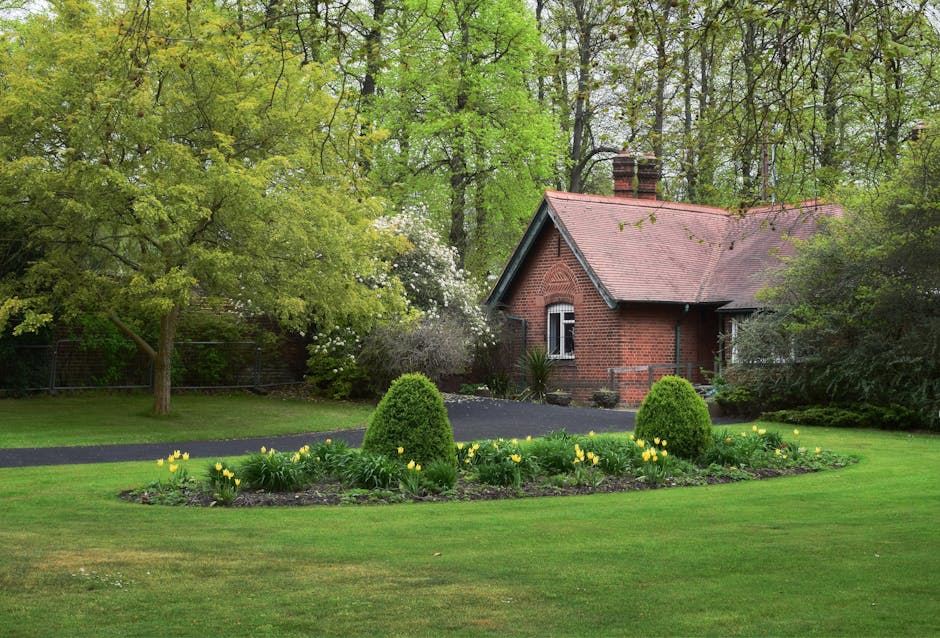
Estate garden care for Purley Downs residents: a practical, local guide
Estate gardens can look effortless from the pavement. The clipped hedges, tidy lawns, sensible planting, and crisp edges make it all seem easy. In reality, it takes consistency, planning, and a bit of judgement. That is especially true for Estate garden care for Purley Downs residents, where larger plots, shared access, mature trees, and varied planting can turn a simple tidy-up into an ongoing management job.
If you live on or manage an estate in Purley Downs, the goal is rarely just "make it look neat today". You want the grounds to stay healthy, safe, presentable, and easy to maintain through the seasons. This guide breaks down what estate garden care actually involves, how it works in practice, where the problems usually start, and what good maintenance looks like over the long run. We will keep it grounded, local, and useful.
For readers who want to explore the wider service structure behind this kind of work, the services overview is a helpful starting point. And if the garden is already overgrown or cluttered after a busy spell, it may also be worth looking at garden clearance alongside routine care.
Table of Contents
- Why estate garden care matters
- How estate garden care works
- Key benefits and practical advantages
- Who this is for and when it makes sense
- Step-by-step guidance
- Expert tips for better results
- Common mistakes to avoid
- Tools, resources and recommendations
- Law, compliance and best practice
- Options, methods and comparison
- Case study or real-world example
- Practical checklist
- Conclusion
- Frequently asked questions
Why Estate garden care for Purley Downs residents Matters
Estate grounds are more than a backdrop. They shape first impressions, influence how people use the space, and affect how safe and comfortable the site feels. In Purley Downs, where gardens often sit alongside mature landscaping, boundary hedges, and a mix of private and shared outdoor areas, neglect shows up quickly. A few missed weeks can mean straggly edges, patchy lawns, blocked paths, and shrubs growing into circulation space. It is a very British kind of problem: one damp month, one windy week, and suddenly the place looks half-a-step behind.
Good estate garden care matters because it protects both appearance and function. Lawns need cutting before they become coarse. Hedges need trimming before they shade too much or spill into access routes. Beds need weeding before the roots settle in. Trees need monitoring because mature growth can become a safety issue if left too long. None of that is dramatic on its own, but together it makes the difference between a well-managed estate and one that always feels a bit tired.
There is also the resident experience. People notice tidy sightlines, clean edges, and seasonal planting. They notice when bins, paths, and entrances are framed properly. They notice when shrubs are clipped back enough to let in light. Not always consciously, but they feel it. A cared-for estate tends to feel calmer, safer, and better respected.
From a management point of view, routine care is usually cheaper and less stressful than reactive catch-up work. That is the part people often miss. A consistent maintenance plan can reduce the need for large one-off interventions, and it helps keep the site predictable rather than constantly drifting into "urgent tidy-up" territory.
How Estate garden care for Purley Downs residents Works
Estate garden care is usually a planned service rather than a single job. It combines regular maintenance with occasional heavier work, depending on the size and condition of the grounds. In practical terms, that often means a schedule built around grass cutting, hedge trimming, border care, litter picking, pruning, seasonal planting, and occasional clearance. Some estates also include paths, communal courtyards, soft landscaping, or timber features, which means the work is not only horticultural but visual and structural too.
A good plan usually starts with a site walk. Not a fancy audit, just a proper look around. Where are the sunny spots? Which areas hold water after rain? Which hedges grow fastest? Which paths get the most foot traffic? Where do leaves gather in autumn? The answers shape the service. A lawn near heavy shade needs different treatment to one in full sun. A boundary hedge near a busy access point needs more frequent trimming than a sheltered ornamental shrub bed.
For estates with mixed requirements, services are often combined. For example, regular lawn mowing might be paired with periodic hedge trimming, plus seasonal work through garden maintenance. If the grounds have harder-wearing outdoor features, a landscaping plan may also be needed, especially where paving, planting, and structure need to work together rather than compete.
Timing matters more than people think. In spring, growth accelerates and the pressure is on to stay ahead. In summer, watering and weed control become more important. By autumn, leaf fall and clearance take centre stage. Winter is often about managing evergreen structure, checking drainage, and keeping the site safe and tidy without overworking dormant plants. The calendar never quite sits still, which is part of the job.
Key Benefits and Practical Advantages
One obvious benefit is appearance, but that is only the surface layer. The deeper value comes from consistency and control. Estate gardens that are maintained regularly tend to recover faster after bad weather, stay safer for residents and visitors, and avoid the slow build-up of problems that become expensive later.
Here are the practical advantages most residents and estate managers care about:
- Better kerb appeal: neat lawns, tidy hedges, and healthy planting make the whole development feel better cared for.
- Safer shared spaces: clear paths, controlled growth, and regular checks reduce trip hazards and blocked access.
- Improved plant health: pruning and seasonal attention help shrubs, hedges, and trees grow in a balanced way.
- Less reactive spending: regular care usually prevents bigger remedial jobs, which are rarely fun for anyone involved.
- More reliable planning: a structured schedule makes budgets and expectations easier to manage.
- Better use of communal space: residents are more likely to use outdoor areas that feel clean, open, and maintained.
There is also a quieter benefit: confidence. When the grounds are looked after properly, residents do not have to keep wondering whether the estate is slipping. That sounds minor, but it changes the way people experience home. A well-kept shared garden can make a block or estate feel settled and cared for. People notice. Even if they never say it out loud.
If wider improvements are needed, estate care can sit alongside landscape gardening or landscaping work to refresh tired planting schemes, improve drainage, or reshape awkward corners. The best results usually come from maintenance and improvement working together, not one trying to do the other's job.
Who This Is For and When It Makes Sense
Estate garden care makes sense for anyone responsible for shared or larger outdoor spaces in Purley Downs. That includes residents' associations, property managers, housing groups, landlords with multiple homes, and private estates where the grounds are part of the property's overall value.
It also makes sense in a few very common situations:
- the gardens look fine in midsummer but quickly slide in spring and autumn
- hedges are getting too tall or too wide for the space
- lawns are thinning because they are cut too irregularly
- shared paths and borders are becoming messy or overgrown
- trees are shading out smaller planting
- there is no clear maintenance routine, only occasional tidy-ups
If any of that sounds familiar, you are not alone. It is extremely common for estates to start with good intentions and then drift into ad hoc upkeep. One month somebody trims the front edge, another month someone else sorts the rear borders, and before long no one has a clear picture of what is actually happening. A proper maintenance plan solves that. Plainly put, it makes the work repeatable.
For sites where access is tight or the garden has become cluttered after a long gap in care, a one-off reset may be useful before routine maintenance starts. In those cases, a blend of clearance and ongoing work is often the most sensible path. That is where a service like garden clearance can help create breathing room before regular care takes over.
Step-by-Step Guidance
If you are planning estate garden care, a simple structure keeps everything easier to manage. You do not need to overcomplicate it, honestly. A clear process is usually better than a grand one.
- Assess the site properly. Walk the grounds and note the key areas: lawns, hedges, beds, trees, access routes, and any problem spots like puddling or heavy shade.
- Set priorities. Decide what matters most right now. Is it appearance, safety, plant recovery, or all three? Most estates need a bit of each.
- Build a maintenance schedule. Agree what happens weekly, fortnightly, monthly, and seasonally. Keep it realistic rather than idealised.
- Match tasks to the season. Spring growth, summer watering, autumn leaf drop, and winter clean-up all require slightly different attention.
- Handle the basics consistently. Mowing, edging, weeding, pruning, and litter removal should be steady, not sporadic.
- Review the site after weather changes. Wind, frost, heavy rain, and dry spells can all shift what needs doing first.
- Adjust as the garden changes. Some shrubs will outgrow their spot. Some lawns will improve, others will need repair. Gardens are living systems, not static diagrams.
A useful rule of thumb: if you can only manage one area properly, start at the entrances and main circulation routes. That is where residents and visitors form their first impression, and where safety matters most. It is not glamorous, but it works.
For many estates, a weekly or fortnightly visit focused on mowing and tidying, plus periodic hedge and tree work, creates the best balance between cost and visible quality. If trees are part of the estate character, it may also be worth keeping a separate eye on tree lopping and removal needs, especially where branches are leaning over drives, paths, or rooflines.
Expert Tips for Better Results
Small decisions make a surprisingly big difference in estate gardens. You can have the same lawn, the same borders, and the same hedge line, yet end up with a completely different result depending on how the work is done. Here are a few practical tips that tend to matter most.
- Cut little and often rather than hard and rarely. Lawns and hedges respond better to steady care than dramatic catch-up jobs.
- Keep edges sharp. Clean lines around paths and beds instantly make a site feel more controlled, even if the planting is simple.
- Watch water and shade. If an area stays damp or dark, turf and planting choices may need to be adjusted. Otherwise you end up fighting the same problem every year.
- Mulch where possible. A well-mulched bed holds moisture and suppresses weeds. Not magic, just useful.
- Use seasonal colour sparingly. A few well-chosen plants can lift an entrance far more effectively than a crowded bed with no plan.
- Don't ignore the "boring" bits. Drains, joints, corners, and fence lines are where problems usually begin.
One thing we often see is people focusing too much on what is immediately visible and not enough on the structure underneath. A hedge can look fine from the road while quietly blocking light, narrowing a path, or pressing into neighbouring planting. That kind of issue creeps up. Then one day you notice it, and well, it feels obvious in hindsight.
Another useful habit is to build in a seasonal reset. Even a tidy estate benefits from a once-over in early spring and again in late autumn. Those two checkpoints can reveal what the regular visits may not catch.
Common Mistakes to Avoid
Most estate garden problems do not start with one big failure. They start with small delays and assumptions. A missed trim here, a postponed clearance there, and things gradually drift.
- Waiting until everything looks bad. By then, the work is more disruptive and more expensive.
- Over-mowing tired lawns. Cutting too short can stress turf and invite more weed pressure.
- Letting hedges run on too long. Once they lose shape, they are harder to bring back neatly.
- Using the same approach all year. Summer maintenance is not the same as winter maintenance. It just isn't.
- Ignoring access routes. A garden can look pleasant while still being awkward or unsafe to move through.
- Assuming one-off tidies are enough. They rarely are on estates. Regular follow-up is the real fix.
A quieter mistake is not agreeing who is responsible for what. On shared properties, that lack of clarity causes friction. Residents assume someone else is arranging it; managers assume the caretaker has it covered; contractors are left guessing what the standard is meant to be. It sounds mundane, but it causes most of the headaches. A simple, written scope of work can save a lot of back-and-forth later.
If budget control matters, it is better to schedule smaller visits than to wait for emergency work. Reactive jobs often cost more because they involve more labour, more waste, and more time. There is no grand secret there, just basic maths.
Tools, Resources and Recommendations
Estate garden care usually depends on a sensible mix of hand tools, powered equipment, and good planning. You do not need every gadget under the sun. You need the right tools for the site, maintained properly and used safely.
| Task | Useful tools or equipment | What to look for |
|---|---|---|
| Lawn care | Rotary or cylinder mower, edging tool, strimmer | Even cut, clean edges, suitable height for the turf |
| Hedge trimming | Hedge trimmer, hand shears, step platform where appropriate | Sharp lines, balanced profile, no ragged growth |
| Bed maintenance | Spade, fork, hand trowel, hoe, mulch | Weed control, healthy soil, tidy planting frames |
| Clearance | Rakes, sacks, wheelbarrow, cutter, grabbers | Efficient waste removal and minimal damage to plants |
| Tree work | Specialist pruning equipment and safety gear | Controlled cuts, safe working practice, proper planning |
For most residents, the real "resource" is the schedule. A garden diary, even a simple one, helps a lot. Note when the lawn was last cut, which hedge was trimmed, where weeds are returning, and whether any areas are shaded or waterlogged. It sounds a bit old-school, but it works.
When it comes to choosing support, look for clear service boundaries, reasonable communication, and a practical approach to the site. You want someone who understands that estate work is not just about making things tidy for a photo. It is about keeping the whole place functioning week after week.
If environmental care matters to your estate, it is also sensible to ask about recycling and sustainability practices. Grass cuttings, green waste, and material disposal should be handled thoughtfully wherever possible. The details vary, but good practice usually means waste is reduced, sorted properly, and not treated as an afterthought.
Law, Compliance, Standards, or Best Practice
Estate garden care sits in a practical world where safety, access, and responsibility matter. While every site is different, good practice in the UK generally means treating communal outdoor spaces with care and keeping risk in mind. If trees, heights, machinery, or access issues are involved, the standard of work needs to be careful rather than rushed. That part should go without saying, but in real life it sometimes needs saying anyway.
There are a few principles worth keeping in view:
- Safe working methods: tasks should be planned so they do not create avoidable risk to residents, passers-by, or the people doing the work.
- Clear access routes: paths, fire routes, and shared entrances should not be obstructed by overgrowth or stored waste.
- Suitable equipment: tools and machinery should be appropriate for the task and used by people who know what they are doing.
- Responsible waste handling: green waste and cleared material should be disposed of or recycled properly where possible.
- Insurance and accountability: if a service provider is working on a shared estate, it is sensible to confirm insurance arrangements and working practices.
For residents and managers, the most useful mindset is not "what is the absolute minimum?" but "what keeps the site safe, neat, and sustainable over time?" That question tends to lead to better decisions. It also leads to fewer nasty surprises.
If you want to understand the provider's approach to safety and responsibility, it is worth reviewing pages such as health and safety policy, insurance and safety, and about us. Those pages help set expectations before any work starts, which is no bad thing.
Options, Methods, or Comparison Table
Not every estate needs the same level of support. Some only need tidy routine visits. Others need a more hands-on service with periodic planting changes and occasional structural improvements. Here is a simple comparison to help you think it through.
| Approach | Best for | Strengths | Limitations |
|---|---|---|---|
| Routine maintenance only | Sites already in decent condition | Predictable, neat, lower disruption | May not fix deeper layout or planting issues |
| Clearance then maintenance | Overgrown or neglected gardens | Fast reset, easier to maintain after | More upfront effort before the site settles |
| Maintenance plus landscaping | Estates needing visual improvement | Can improve appearance and function together | Requires more planning and coordination |
| Full grounds management | Larger or more complex estates | Best long-term control and consistency | Usually the most involved option |
In simple terms, if the grounds are already tidy, keep things routine. If they have drifted, start with clearance. If the layout itself is causing recurring problems, then some level of landscaping may be needed. That distinction matters because it stops people from asking maintenance to solve a design issue. Maintenance can do a lot, but it cannot change the shape of the site by itself.
For estates with hard landscaping features such as patios, steps, or timber areas, a service like decking services may also be relevant if the outdoor space includes usable seating or communal recreation zones. Safety and appearance both matter there, and worn surfaces can undermine the whole garden feel very quickly.
Case Study or Real-World Example
Here is a realistic example based on the kind of work many Purley Downs estates need. Imagine a small residential estate with shared front lawns, a rear communal strip, two boundary hedges, and a few mature trees along the edge. For months everything looked "mostly fine", which is often how these things start. Then the grass became uneven, the hedge began to encroach on the footpath, and the rear border filled with weeds after a wet spell. Nothing dramatic. Just enough to make the place feel slightly off.
The first step would be a proper reset: remove the clutter, clear the overgrowth, and get the circulation routes back under control. After that, the routine plan could include regular mowing, edging, hedge trimming, and seasonal bed maintenance. The trees would be checked separately to see whether any branches needed attention or whether the canopy was simply shading the wrong area.
What usually surprises residents is how quickly a site improves once the "small" things are fixed. A crisp lawn edge, a trimmed hedge, and a clean access route can change the mood of the whole estate. People start using the spaces more. The place feels less like it is waiting to be sorted, and more like somebody is actually on top of it. That shift is real. You can almost hear it in the way the garden feels quieter, if that makes sense.
The key lesson from this kind of example is simple: the best estate care is not flashy. It is steady. It notices the details before they become complaints, and it keeps the site in shape without making a fuss about it.
Practical Checklist
Use this checklist before agreeing an estate garden care plan or reviewing an existing one:
- Have the main outdoor areas been walked and assessed properly?
- Do you know which areas need weekly, monthly, and seasonal attention?
- Are lawns, hedges, beds, trees, and access routes all included?
- Has any overgrowth or clutter been cleared before routine work begins?
- Are boundaries, entrances, and shared paths prioritised for safety and appearance?
- Is there a sensible plan for green waste and recycling?
- Have insurance, working practices, and safety expectations been checked?
- Is the plan realistic for the site, not just aspirational on paper?
- Do you have a way to review and adjust the schedule through the year?
- Are residents or stakeholders clear on what is included?
Expert summary: estate garden care works best when it is regular, site-specific, and slightly boring in the best possible way. The more predictable the routine, the better the garden tends to behave. That is the whole game, really.
Get a free quote today and see how much you can save.
Conclusion
Estate garden care for Purley Downs residents is not just about keeping things neat. It is about protecting the condition of the grounds, making shared spaces more pleasant, and preventing small problems from becoming larger ones. In a place like Purley Downs, where mature planting and residential character matter, thoughtful maintenance makes a genuine difference.
The most reliable estates are not the ones with the most dramatic interventions. They are the ones with a clear routine, sensible seasonal planning, and a calm willingness to deal with things before they unravel. That may sound ordinary, but ordinary done well is exactly what most good gardens need.
If you are ready to take the next step, it helps to compare the current condition of the site with the standard you want to maintain, then build the plan from there. Little by little, the garden starts to carry itself again. And that is a nice feeling, to be fair.
Frequently Asked Questions
What does estate garden care usually include?
It usually includes lawn mowing, hedge trimming, weed control, border care, leaf clearance, pruning, and general tidying of shared outdoor spaces. On larger or more complex sites, it may also include clearance work, planting updates, and tree-related maintenance.
How often should estate gardens be maintained?
That depends on the size of the site and how quickly it grows, but many estates benefit from weekly or fortnightly attention during the growing season, with seasonal work added as needed. There is no one-size-fits-all answer, which is mildly annoying but true.
Is estate garden care different from regular garden maintenance?
Yes. Estate care usually covers larger, shared, or more structured spaces, so it tends to involve more coordination, more consistency, and a greater focus on access and presentation. Private garden maintenance is often simpler and more individual.
What should Purley Downs residents look for in a provider?
Look for clear communication, a sensible maintenance plan, awareness of safety, and a practical understanding of shared spaces. It also helps if the provider can explain what is included, how often they will visit, and how they handle waste and seasonal changes.
What if the garden is already overgrown?
In that case, a clearance phase is often the best starting point before regular maintenance begins. Trying to maintain an overgrown site without resetting it first usually means you are fighting the same problems again and again.
Can estate garden care improve property value?
It can support the overall appearance and appeal of a property, which is often important to residents, visitors, and prospective buyers. It does not guarantee value changes, of course, but a cared-for estate usually creates a better impression than one that looks neglected.
What happens in autumn and winter?
Autumn usually brings leaf clearance, reduced mowing, and more attention to borders and drainage. Winter tends to be about keeping paths clear, checking structure, and avoiding unnecessary stress on dormant planting. The garden still needs care, just in a different rhythm.
Do estate gardens need tree care too?
Often yes, especially where mature trees shape the character of the site or affect light, safety, or access. Trees should be monitored as part of the whole estate plan rather than treated as an afterthought.
How can residents reduce long-term maintenance costs?
The biggest help is consistency. Regular attention prevents problems from building up, which usually keeps costs and disruption lower over time. A small, steady plan is often cheaper than occasional major remedial work.
Is it worth combining maintenance with landscaping improvements?
Yes, if the layout or planting scheme is causing recurring problems. Maintenance keeps the site tidy, but landscaping can improve how the space works. If one area keeps causing issues, redesigning that area may be more effective than endlessly repairing it.
How do I know if the current plan is good enough?
If the estate looks tidy, remains safe, and does not keep falling behind between visits, that is usually a good sign. If the same issues keep returning, the schedule or scope probably needs adjusting.
Where can I learn more about the services and company approach?
You can review the services overview and related pages such as about us, pricing and quotes, and contact us to understand the approach, expectations, and next steps.